Loading

Senghenydd - Glamorgan, South Wales, portrait of a mining town
What kind of future can a community possibly have following such tragedy?
Genres
Documentary
Overview
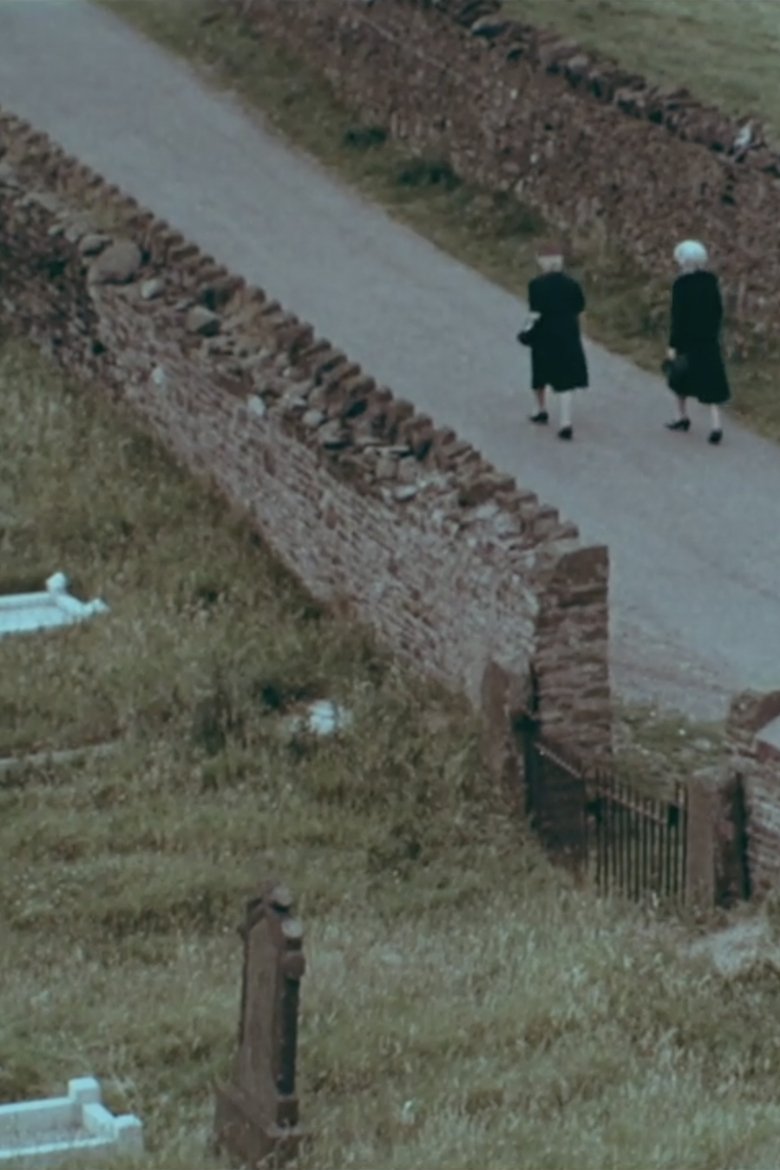
Warwick company newsreel material of the Universal Colliery at Senghenydd on fire after an explosion on 14th October 1913, and footage of a funeral procession for some of the 439 mine workers who were killed, is followed by a collage of images of the town and its people as they are 50 years later. Wynford Vaughan Thomas, narrating his own commentary, wonders if "colour"- superficial re-decoration – can really make any difference to "the inner heart of Senghenydd". Shot on spare, blank pieces of film by James Clark. Assisted by local amateur photographer and former miner Bill Probert. Script written and narrated by Wynford Vaughan Thomas. 1964.
Details
Budget
$0
Revenue
$0
Runtime
18 min
Release Date
Status
Released
Original Language
English
Vote Count
0
Vote Average
0
Cast
Meet the talented actors who bring the movie to life.
Wynford Vaughan-Thomas
Narrator
Similar Movies
Explore movies similar to this one that you might also enjoy.
0.0
Wales
Wales prides herself in her wealth of natural resources, foundries, mills, and factories. Beyond this modern facade lies another treasure—a rich historical background and ancient lore. The great granite fortresses still remain as reminders that from the struggle and strife was born a pure and distinctive national culture.
1958-06-10 | en
0.0
Uranium Drive-In
A new uranium mill -- the first in the U.S. in 30 years -- would re-connect the economically devastated rural mining community of Naturita, Colorado, to its proud history supplying the material for the first atomic bomb. Some view it as a greener energy source freeing America from its dependence on foreign oil, while others worry about the severe health and environmental consequences of the last uranium boom.
2013-05-25 | en
0.0
George Smith's UpsideDown Wales
From filmmaker Alun Hughes, Upside Down Wales is a window into the world of 3D and upside down climbing guru George Smith and his obsession with climbing overhanging rock in North Wales. A film with plenty of character that doesn't take itself too seriously. Features interviews with Welsh climbing legends Joe Brown and John Redhead, and younger climbers like Pete Robins and Dave Noden.
2008-01-01 | en
0.0
Self Rescue for Climbers
Self Rescue for Climbers DVD is a comprehensive guide to problem solving in climbing situations, it is aimed at the problems recreational climbers may encounter whether climbing on multi-pitch sea cliffs, mountain routes or road-side crags. Chapters include: good belay practice simple hoists escaping the system abseil safety prusiking and equipment testing also included is a staged Holyhead cliff rescue and a DMM factory visit - the DVD was filmed on location in Malham, Gogarth, Tremadog and the Llanberis Pass.
2007-03-15 | en
0.0
The Miners' Strike and Me
Documentary marking the 30th anniversary of the 1984 miners' strike, one of the bitterest industrial disputes in British history, with stories from both sides of the conflict.
2014-03-12 | en
8.0
Malartic
Ten years after an enormous open-pit gold mine began operations in Malartic, the hoped-for economic miracle is nothing more than a mirage. Filmmaker Nicolas Paquet explores the glaring contrast between the town’s decline and the wealth of the mining company, along with the mechanisms of an opaque decision-making system in which ordinary people have little say. Part anthropological study, part investigation into the corridors of power, Malartic addresses the fundamental issue of sustainable and fair land management.
2024-02-28 | fr
1.0
All Out! Dancing in Dulais
Dancing in Dulias was made by members of Lesbians and Gays Support the Miners (LGSM) and Lesbians Against Pit Closures during and immediate after the 1984/85 minders strike. Like the forthcoming movie, Pride, it documents the interactions between lesbians and gay men and the miners and their families in Dulais in South Wales - only this time it's the real thing. As well as some memorable footage that includes the Blaenant Lodge banner leading the 1985 Lesbian and Gay Pride march and LGSM members struggling with bingo at the local community hall, the film documents the wider political impact of this seemingly unlikely alliance. (cont. http://www.cambridgefilmfestival.org.uk/films/2014/dancing-in-dulais#sthash.HScQCj7E.dpuf)
1986-01-01 | en
0.0
Strike! The Women Who Fought Back
In their own words, this is the story of six women from the South Wales valleys and how they helped sustain the bitter year-long miners' strike, changing their lives forever.
2024-03-12 | en
7.5
Harlan County U.S.A.
This film documents the coal miners' strike against the Brookside Mine of the Eastover Mining Company in Harlan County, Kentucky in June, 1973. Eastover's refusal to sign a contract (when the miners joined with the United Mine Workers of America) led to the strike, which lasted more than a year and included violent battles between gun-toting company thugs/scabs and the picketing miners and their supportive women-folk. Director Barbara Kopple puts the strike into perspective by giving us some background on the historical plight of the miners and some history of the UMWA. Preserved by the Academy Film Archive in partnership with New York Women in Film & Television in 2004.
1977-01-23 | en
0.0
Na pomoc dolům
1952-01-01 | cs
0.0
Uhelný lom
1952-01-01 | cs
7.0
Under the Cloud
An investigation into the unfolding history of nuclear testing, uranium mining, and nuclear waste disposal on indigenous lands in the US. It raises the voices of those who witnessed and experienced the consequences of nuclear colonialism and those who still resist.
2023-08-30 | en
0.0
Mladí nastupují směnu
1951-01-01 | cs
0.0
Mechanisace dolů
1951-01-01 | cs
0.0
Země se otvírá
1939-05-26 | cs
0.0
Mountain of Gold
Gold fever has gripped northern Niger. In search of the precious metal, and despite the risks, an army of researchers has invaded the sites of interest. While camps are set up and dismantled as rumours of new leads spread, Moussa and his companions are banking on the Ikazan vein.
2025-04-06 | ha
5.0
The Last Glacier
A docudrama on the closing of the town of Schefferville. When Raoul loses his job at the mine because the operations are ending, he's been settled there for ten years with Carmen and their son. They're now forced to leave the town, leaving behind the traces of an ephemeral prosperity.
1984-11-16 | fr
0.0
Im Westen ging die Sonne auf
The mining industry, which always had been “sponsor” and “financier” of the soccer clubs in the Ruhr valley during the post-war period, doesn’t exist anymore nowadays in that form. Many of the once glorious clubs which dominated German soccer until the 1970s faded into obscurity without financial backers. The documentary “Im Westen ging die Sonne auf" ("The sun had risen in the west“) shows the history of the “Revierfußball” from after the second World War until the decline of the mining industry and recalls legendary players and forgotten clubs. The film shows especially how deeply rooted the sport was back then in the entire lifestyle of the Ruhr area - in private life as well as in society - and how structural change also left clearly visible marks in sports. With pictures from back then, interviews with contemporary witnesses, and footage of original locations nowadays, a contemporary document of German post-war history, by taking the example of soccer, has been created.
2002-10-22 | de
0.0
The Four Corners: A National Sacrifice Area?
Documents the cultural and ecological impacts of coal stripmining, uranium mining, and oil shale development in Utah, Colorado, New Mexico, and Arizona – homeland of the Hopi and Navajo.
1983-11-15 | en
0.0
The Artist in Wales
Handling the materials and musing on how to treat or turn the wood, the metal, the paint, the wool, the words and the notes are what spark life in artists and those who experience what they express. They are the essential antidote to the Mr Gradgrinds of the world who insist we should “Never Wonder”. Film-maker Richard Watkins focuses on sculptor David Petersen, poet Harri Webb, the Welsh Brass Consort and Theatr Powys performing Emlyn Williams’ drama ‘Night Must Fall’.
| en