Loading

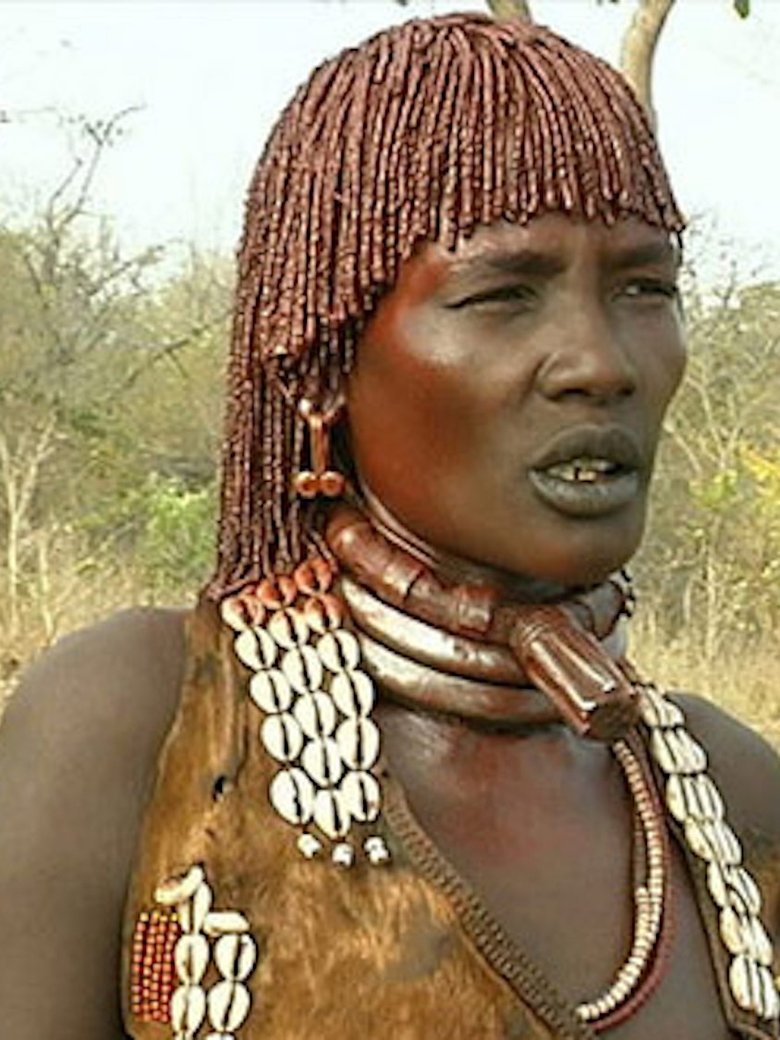
Dukas Dilemma
Genres
Documentary
Overview
Details
Budget
$0
Revenue
$0
Runtime
87 min
Release Date
2002-07-30
Status
Released
Original Language
German
Vote Count
0
Vote Average
0
Cast
Meet the talented actors who bring the movie to life.
Similar Movies
Explore movies similar to this one that you might also enjoy.
0.0
The Jihadist
Over most of two decades, Abu Mohammad al-Jolani’s life has been a roadmap of Islamist militancy in Iraq and Syria. Designated a terrorist by the United States, the powerful Syrian militant now seeks a new relationship with the West.
2021-06-01 | en
0.0
I Come From Away: An Immigrant in Maine
An intimate look inside the immigrant community in Portland, Maine, as told by Nyamuon Nguany Machar who arrived as refugee in 1995 and David Zwalita Mota who came as an asylum seeker in 2019.
| en
7.1
Metallica: Some Kind of Monster
After bassist Jason Newsted quits the band in 2001, heavy metal superstars Metallica realize that they need an intervention. In this revealing documentary, filmmakers follow the three rock stars as they hire a group therapist and grapple with 20 years of repressed anger and aggression. Between searching for a replacement bass player, creating a new album and confronting their personal demons, the band learns to open up in ways they never thought possible.
2004-06-10 | en
5.1
Kwaheri
Early Mondo film featuring primitive rituals, animals being butchered, unusual birth defects, and a legit trepanation scene.
1964-12-09 | en
0.0
Folia no Morro
An ethnographic documentary following the Folia de Reis party that is celebrated every year at Morro de Santa Marta on Rio de Janeiro.
2008-11-17 | en
5.8
Congo
An experimental ethnographic documentary that criticizes the colonizer view of anthropology.
1972-01-01 | en
7.2
Four Wives - One Man
Examines the strained dynamic between the three wives of the polygamous Mohammadi family, as cash-strapped Heda seeks to add a fourth wife.
2007-12-07 | fa
5.0
Naked Spaces: Living Is Round
Shot with stunning elegance and clarity, NAKED SPACES explores the rhythm and ritual of life in the rural environments of six West African countries (Mauritania, Mali, Burkino Faso, Togo, Benin and Senegal). The nonlinear structure of NAKED SPACES challenges the traditions of ethnographic filmmaking, while sensuous sights and sounds lead the viewer on a poetic journey to the most inaccessible parts of the African continent: the private interaction of people in their living spaces.
1985-10-01 | en
0.0
Live, song, live!
The film tells the story of ancient Ingush lullabies - Ingush women and men tell the lullabies of their families and the stories associated with them: love, friendship, blood feud.
2022-01-01 | ru
0.0
Choqela: Only Interpretation
This provocative and profound film documents the Choqela ceremony, an agricultural ritual and song of the Aymara Indians of Peru. By offering several different translations of the proceedings, the film acknowledges the problems of interpretation as an inherent dilemma of anthropology.
1987-01-01 | en
0.0
Europe at Sea
Exclusive access to chief diplomat of the EU Federica Mogherini as Europe faces a crumbling world order.
2017-11-28 | en
0.0
Raqs-e-Inquilab
The film interweaves the personal narratives of four Kashmiri artists, three of whom - Syed Mujtaba Rizvi, Hina Arif and Zeeshan Jaipuri - are children of the conflict, their impressionable adolescent years years landing right in the middle of the region's most violent period in the 90s. The fourth character, renowned painter and art teacher Masood Hussain, grew up in a time of relative peace before becoming witness to Kashmir's tragic transformation. While their individual traumas are unique, they are connected by their pursuit to process this splintered world through unfiltered artistic expression.
2019-09-29 | en
6.1
The Hunters
An ethnographic film that documents the efforts of four !Kung men (also known as Ju/'hoansi or Bushmen) to hunt a giraffe in the Kalahari Desert of Namibia. The footage was shot by John Marshall during a Smithsonian-Harvard Peabody sponsored expedition in 1952–53. In addition to the giraffe hunt, the film shows other aspects of !Kung life at that time, including family relationships, socializing and storytelling, and the hard work of gathering plant foods and hunting for small game.
1957-01-01 | en
8.2
Sieben Mulden und eine Leiche
Thomas Haemmerli is about to celebrate his fortieth birthday when he learns of his mother's death. A further shock follows when he and his brother Erik discover her apartment, which is filthy and full to bursting with junk. It takes the brothers an entire month to clean out the place. Among the chaos, they find films going back to the 1930s, photos and other memorabilia.
2007-04-05 | de
7.8
The Ornament of the World
Filmed in Cordoba, Granada, Seville, and Toledo, this documentary retraces the 800-year period in medieval Spain when Muslims, Christians, and Jews forged a common cultural identity that frequently transcended their religious differences, revealing what made this rare and fruitful collaboration possible, and what ultimately tore it apart.
2019-11-19 | en
6.1
The Judge
A verité legal drama about Judge Kholoud Al-Faqih, the first woman appointed to a Shari'a court in the Middle East, whose career provides rare insights into both Islamic law and gendered justice.
2017-09-10 | en
7.7
Confronting Holocaust Denial With David Baddiel
The Holocaust is one of the most documented, witnessed and written about events in history, so why is Holocaust denial back on the political agenda? What has happened in the 75 years since the liberation of the camps to have so skewed the picture? And, if it matters, why does it matter?
2020-02-17 | en
0.0
La máscara de la conquista
The film tells two parallel stories. One, set in the present, tells of a pagent about the conquest of America, while the other, set in the 15th century, tells of a group of conquistadors coming ashore searching for gold. The film takes place in an unnamed country.
1986-01-01 | es
0.0
La Nación Oculta
Ñaalec (Fabián Valdez) is a Moqoit college student disenchanted with formal ways of learning and embarrassed by his drunken classmates. He seeks to recover his people's culture by learning from elders who still remember the old ways. Ñaalec travels to the Nanaicalo Nqote ("eye of the dragon"), a sacred lake whose water gave people the power of the gods. This docudrama is part of a series of community-created films supported by CEFREC (led by Iván Sanjinés, son of legendary Bolivian filmmaker Jorge Sanjinés).
2011-01-01 | en
10.0
Islam Unveiled
Challenging the Western view that Islam inherently represses women’s rights, journalist Samira Ahmed travels across the world examining Islamic customs as they relate to women. In this two-part series, Ahmed explores whether current Islamic customs such as polygamy, honor killings, and requiring women to wear the hijāb (veil) are actually rooted in the Quran.
2004-01-18 | en